Fat Loss for Women Beginners: Calories, Proteins, Steps, and Sleep
Fat loss doesn’t need chaos. Here’s the science-backed beginner guide to deficits, proteins, steps, and sleep that supports results.
HEALTH AND WELLNESS
Dian Santos Holman
6/23/20263 min read


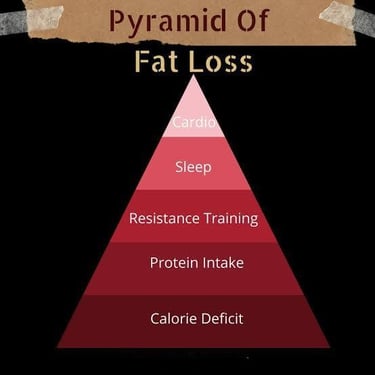
The Baseline: Small Deficit, Huge Consistency
You do not need to cut your food in half to lose weight. In fact, aggressive starvation almost always triggers intense biological cravings that lead to overeating later.
Fat loss requires a calorie deficit, meaning you burn slightly more energy than you take in. A small, sustainable deficit of 300 to 500 calories below your maintenance level is the sweet spot. It keeps your energy stable, protects your relationship with food, and lets you lose fat without feeling like you are punishing yourself.
The Secret Weapon: Protein Target Explained Simply
When you lower your calories, your body tries to burn both fat and muscle for fuel. Eating enough protein signals your body to keep the muscle and burn the fat instead.
Aim for roughly 0.8 to 1 gram of protein per pound of your target body weight daily. If that math feels overwhelming, just focus on adding one palm-sized portion of lean protein like chicken, fish, tofu, or Greek yogurt, to every single meal. Protein takes longer to digest, keeping you genuinely full and curbing the urge to snack.
The Low-Stress Lever: Daily Steps
You do not need to spend hours sweating on a gym treadmill to see the scale move. Your daily movement outside of intentional workouts plays a massive role in your total daily energy expenditure.
Increasing your step count is the ultimate low-stress lever for fat loss. Walking burns energy without spiking your hunger hormones or overtaxing your nervous system. If you currently average 4,000 steps a day, do not try to hit 10,000 tomorrow. Simply aim for 6,000, build consistency, and slowly scale up.
The Foundation: Sleep and Appetite Control
You can have the perfect diet and workout routine, but if you sleep four hours a night, your body will actively fight your progress.
Sleep deprivation spikes ghrelin (your hunger hormone) and plummets leptin (your fullness hormone). When you are exhausted, your brain craves quick energy, which translates to intense sugar and carb cravings. Prioritizing 7 to 8 hours of quality sleep nightly keeps your hormones balanced, your willpower intact, and your energy high enough to stay active.
Your Starter Routine
Ready to begin tomorrow? Skip the chaos and focus on this simple daily checklist:
Food: Eat three balanced meals, each built around a palm-sized portion of protein.
Steps: Go for a brisk 15-minute walk right after your lunch or dinner.
Sleep: Set a phone alarm 30 minutes before bed to turn off screens and wind down.
I used to think fat loss meant surviving on celery juice and tracking every single calorie until my eyes crossed. I was exhausted, cranky, and completely stuck.
Then I stopped chasing fitness chaos and looked at the data.
If you are tired of extreme diets that leave you starving by midnight, let’s clear the noise. Real, lasting fat loss relies on four basic pillars, not a massive lifestyle overhaul. Here is the simple, science-backed framework that changed everything for me.
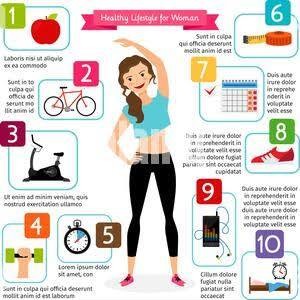
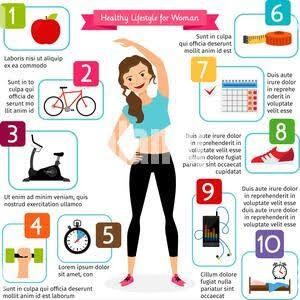
The hierarchy of fat loss: Notice how a small calorie deficit and adequate protein form the heavy-lifting foundation of your progress?
Increasing your daily step count is the ultimate low-stress tool to boost your metabolism without triggering extreme hunger.