The Invisible Handbrake: Why Low Iron is Sabotaging Your Stamina (And How to Fix It)
If your workouts suddenly feel twice as hard, your body might be starving for oxygen. Discover the critical link between iron, fatigue, and female athletic performance, and learn how to safely unlock your stamina.
HEALTH AND WELLNESS
Dian Santos Holman
6/25/20263 min read
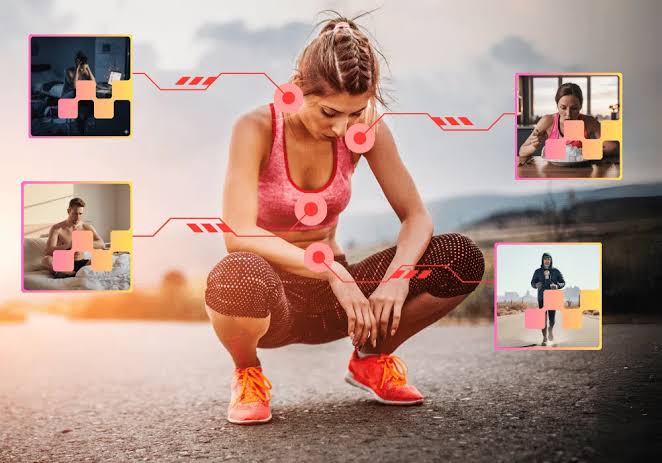
You are pushing through your workout, but your legs feel like lead. Your breathing is ragged, your heart is racing, and you are hitting a wall earlier than usual. You slept eight hours last night, yet you feel like you barely slept at all.
If you are a physically active woman, you might blame your hectic schedule, stress, or a bad training week. But the real culprit could be much smaller, hiding inside your blood cells. It is iron deficiency, and it acts like an invisible handbrake on your athletic performance and daily energy.
Here is the truth about how iron shapes your endurance, how to spot the warning signs, and the exact steps to reclaim your stamina.
The Ultimate Performance Fuel: Why Iron Matters
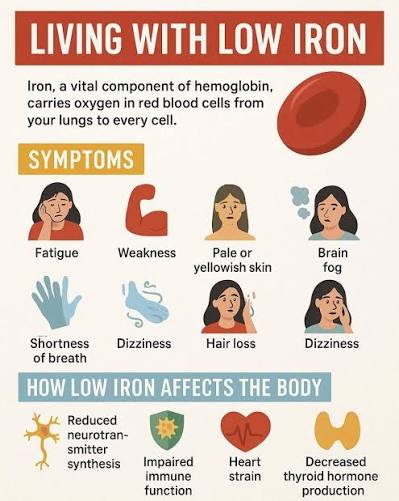
Think of your body as a high-performance vehicle. To run efficiently, your muscles need a constant supply of oxygen. Iron is the essential building block for hemoglobin, a protein in your red blood cells that locks onto oxygen and carries it from your lungs to your working muscles.
Iron is also a key component of myoglobin, which stores oxygen directly inside your muscle tissues for immediate use during intense exercise.
When your iron levels drop, your body cannot produce enough hemoglobin. Your muscles starve for oxygen. As a result, your heart has to work twice as hard just to keep you moving at your normal pace.
The Warning Signs: When to Suspect Low Iron
Iron deficiency does not happen overnight. It creeps up slowly, often masking itself as general fatigue. Pay close attention if you experience these common red flags:
Unexplained Fatigue: Feeling exhausted even on rest days or after a full night of sleep.
Rapid Stamina Drop: Suddenly struggling to complete workouts that used to feel manageable.
Frequent Dizziness: Feeling lightheaded when you stand up quickly or during high-intensity intervals.
Persistent Coldness: Having ice-cold hands and feet, even in warm rooms, due to poor circulation.
Brain Fog: Struggling to focus at work or feeling unusually moody and irritable.
The Training Domino Effect
Skipping past early warning signs triggers a negative domino effect in your training cycle.
First, your workouts feel significantly harder. A perceived exertion level that used to feel like a 5 out of 10 suddenly feels like an 8. Your body relies more heavily on anaerobic energy, which burns through glycogen stores rapidly and creates early lactic acid buildup.
Second, your recovery slows down to a crawl. Iron is vital for cellular repair and immune function. Without it, your muscles cannot repair themselves efficiently between sessions. You wake up sore day after day, increasing your risk of overtraining syndrome and overuse injuries.
Why Active Women Face the Highest Risk
Physically active women face a triple-threat when it comes to iron depletion:
Menstruation: Monthly blood loss is the leading cause of iron depletion in women of childbearing age.
Foot-Strike Hemolysis: The repetitive physical impact of running actually destroys red blood cells in the feet.
Sweat and Digestion: You lose small amounts of iron through heavy sweating and micro-bleeding in the GI tract during intense exercise.
Your Next Steps: Test, Don't Guess
If these symptoms resonate with you, the worst thing you can do is walk into a store and buy a high-dose iron supplement. Excess iron can be toxic and cause severe damage to your organs.
Take these strategic steps instead:
1. Request a Full Iron Panel
Schedule a visit with a healthcare professional. Do not just ask for a standard Complete Blood Count (CBC). Request a Ferritin test. Ferritin measures your body's stored iron. Your hemoglobin levels can look perfectly normal even when your iron stores are dangerously empty.
2. Track Your Training Data
Bring a brief log of your recent workouts to your appointment. Note when your performance started to dip and how your recovery has felt. This gives your clinician valuable context.
3. Focus on Dietary Iron
While waiting for your results, optimize your nutrition. Focus on heme iron found in beef, poultry, and fish, which your body absorbs easily. If you follow a plant-based diet, load up on non-heme iron sources like lentils, spinach, and pumpkin seeds. Always pair plant-based iron with Vitamin C (like citrus or bell peppers) to boost absorption, and avoid drinking coffee or tea with your meals.
Reclaim Your Power
Your fatigue is not a character flaw, and it is not something you just have to live with. By advocating for your health and getting the right blood work, you can release the invisible handbrake, unlock your true endurance, and feel like yourself again.