Walking for Heart Health: The Simple, Proven Path to a Stronger Heart
Discover how walking improves heart health naturally. This comprehensive guide breaks down the cardiovascular benefits of regular brisk walking, outlines weekly target times for cardiac defense, and compares walking vs. running for long-term longevity. Read the full guide to strengthen your heart muscle starting today.
HEALTH AND WELLNESS
Dian Santos Holman
6/19/20263 min read


When it comes to cardiovascular fitness, we often think we need to endure grueling, high-intensity workouts or spend hours on a gym treadmill. However, one of the most effective tools for longevity and cardiovascular protection requires no equipment, no memberships, and zero high-impact stress on your joints.
It is simply walking.
Regular, purposeful walking is a cornerstone of preventative medicine. Whether you are looking to lower your blood pressure, manage your weight, or boost your daily energy levels, lace up your sneakers. Here is the science-backed truth about how a simple daily stroll transforms your heart, and exactly how to optimize your walking routine for maximum health results.
5 Science-Backed Cardiovascular Benefits of Consistent Walking
1. Strengthens the Heart Muscle
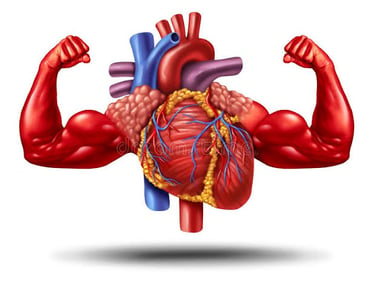
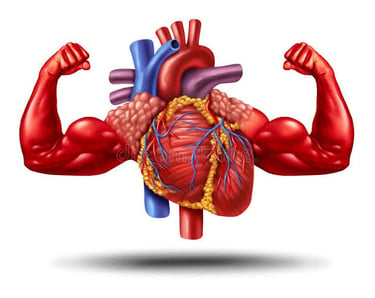
Your heart is a muscle, and just like any other muscle, it responds directly to consistent training. Brisk walking raises your heart rate, which enhances overall cardiovascular function over time. This makes your heart a far more efficient pump, allowing it to move blood throughout your body with less effort. Over time, an efficient pump significantly reduces the resting workload and strain placed on your cardiovascular system.
2. Naturally Lowers Blood Pressure
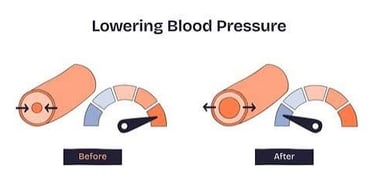
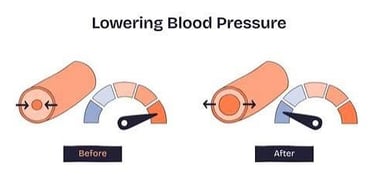
Chronic high blood pressure (hypertension) forces your heart to work dangerously hard to circulate blood. Regular brisk walking stimulates the release of nitric oxide, a compound that helps relax and dilate your blood vessels. This process directly reduces arterial stiffness and systematically lowers both systolic and diastolic blood pressure levels, drastically cutting your risk of cardiovascular events.
3. Optimizes and Improves Cholesterol Levels
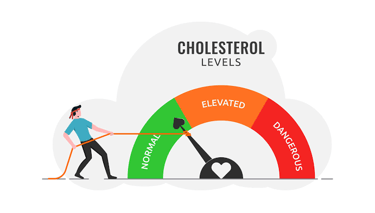
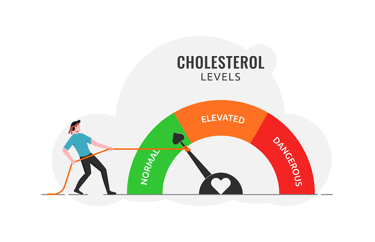
Cardiovascular health depends heavily on the balance of lipids in your bloodstream. Regular walking acts as a biochemical modifier; it increases your levels of "good" HDL cholesterol, which clears fatty deposits from your vascular walls. Concurrently, it helps lower "bad" LDL cholesterol and triglycerides, preventing the dangerous arterial plaque buildup that leads to blockages.
4. Supports Healthy Weight Management
Carrying excess body fat strains your circulatory system by forcing the heart to pump blood through extra tissue. Walking provides a highly accessible, low-impact way to burn calories consistently. When paired with a balanced diet, a daily walk aids in maintaining a healthy body mass index (BMI) and decreasing visceral fat, immediately offloading metabolic stress from your heart.
5. Reduces Chronic Inflammation and Stress
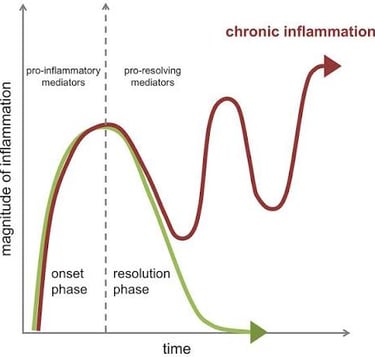
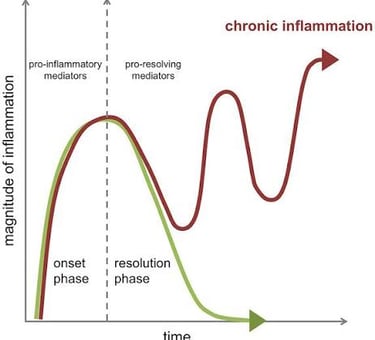
Chronic stress triggers a constant flood of cortisol and adrenaline, which elevates your heart rate and promotes systemic vascular inflammation. Walking serves as an exceptional tool for down-regulating your central nervous system. It lowers systemic inflammation markers, burns off excess stress hormones, and encourages a healthy, resilient heart rate variability (HRV).
Making It a Habit: How Much Do You Actually Need?
You do not need to walk for hours on end to unlock these life-saving benefits. Leading health organizations align on a clear, highly achievable baseline for cardiac defense:
The Target: Aim for at least 150 minutes of moderate-intensity walking per week.
The Breakdown: This easily translates to just 30 minutes a day, 5 days a week.
What Counts as "Brisk"?: You should walk at a pace where you can still talk, but you would struggle to sing the lyrics to a song.
If 30 continuous minutes feels overwhelming initially, break it down into three 10-minute walks throughout your day, such as after breakfast, lunch, and dinner. Studies show that accumulated short blocks of brisk movement offer virtually the same profound cardiovascular benefits as one long session.
WALKING:
"The
most Ancient Exercise
and
Still
The
Best Modern Exercise"
-CARRIE LATET